How a Pie Shop Builds a Reputation One Slice at a Time

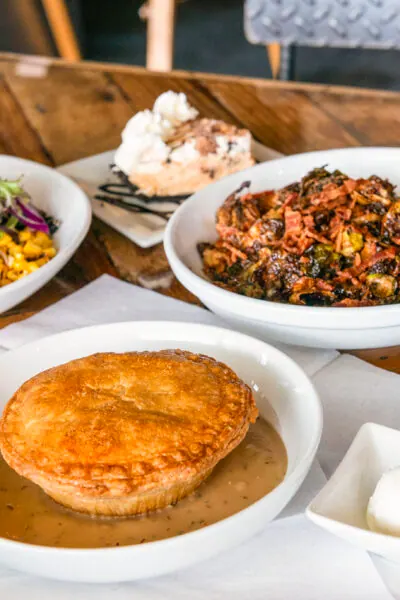
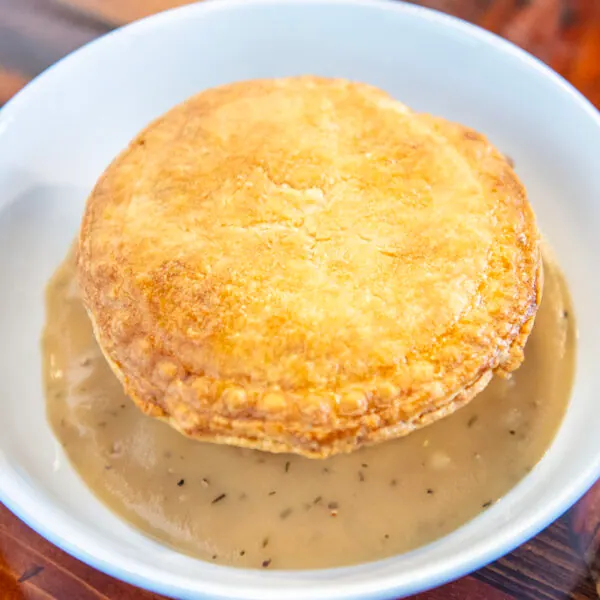
A pie shop rarely earns its name in one grand moment. Reputation forms much more slowly than that. It gathers in the quiet details, the kind customers notice without always being able to explain why they keep coming back. It is the flake of a crust that shatters cleanly instead of turning soggy in the box. It is the steam rising from a savory chicken pie at 11:45, right before the lunch rush. It is the owner remembering that a regular likes peach pie slightly chilled, not room temperature. Over time, those moments add up, and people begin to talk.
That is how most respected food businesses are built, and a pie shop is no exception. There is romance in the idea of a neighborhood bakery case lined with fruit pies and golden hand pies, but the reality behind a strong reputation is less sentimental. It comes from consistency, discipline, product judgment, and service standards that hold up on busy Saturdays as well as sleepy Tuesdays. A good shop makes a delicious pie. A reputable shop makes people trust that tomorrow’s slice will be as satisfying as today’s.
The pie business has an interesting challenge compared with other baked goods. Cakes can impress with decoration. Bread can build a following around ritual and timing. Cookies often sell through impulse and comfort. Pie asks for more balance. The crust matters. The filling matters. The bake matters. The portion matters. So does how the pie cuts, boxes, travels, and holds through the day. One weak point can drag down the whole experience.
That complexity is exactly why the strongest pie shop reputations feel hard won. They are.
A reputation starts in the display case, but it is built in the back
Customers experience the front of house. They see the pie case, the chalkboard, the smiles, the line, the speed of service. What they do not see is the production logic that determines whether the shop deserves repeat business.
In pie, quality is unusually vulnerable to shortcuts. A fruit filling cooked too loose may look generous in the pan and collapse into a puddle on the plate. A crust mixed in a warm kitchen can lose flakiness before it ever hits the oven. Cream pies can look beautiful for an hour and tired by midafternoon. A meat pie can taste rich at first bite and greasy by the third. Customers may not use technical language, but they know when something feels off. If they have that experience twice, the pie shop starts to lose its standing.
The owners who understand this tend to obsess over systems that never appear on Instagram. They monitor dough temperature. They track bake times by pie type and oven load, not just by a generic timer. They know which fruits release more liquid in July than in October. They train staff to watch the signs that indicate a pie is set, not merely browned. Those habits sound small, but they are often the dividing line between a shop with initial https://penzu.com/p/5f23d244d4083467 buzz and a shop that becomes a fixture.
I have seen shops with beautiful branding stumble because they treated pie as a lifestyle product instead of a fragile food product. The case looked perfect. The boxes were expensive. The captions were polished. But the apple filling was underseasoned, the pecan pie baked unevenly, and the crust tasted like refrigerator air by the second day. Customers gave them a chance, then quietly drifted away. Food businesses are brutally honest that way. A single viral weekend does not erase repeated disappointment.
Consistency is not glamorous, but customers notice it immediately
People often talk about signature items, and every pie shop benefits from a few. Maybe it is a dark chocolate chess pie, a buttery apple crumble, or a savory beef and stout pie that sells out before two o’clock. Signature products help people remember the shop. Consistency is what makes them recommend it.
There is a practical reason for that. Customers are not only buying the pie in front of them. They are buying reduced risk. They want to feel confident bringing a whole pie to a holiday table, office gathering, or dinner with friends. If the shop has been reliable across several visits, that confidence is easy. If the experience has been uneven, even a great pie last week may not be enough.
This is where many promising businesses misread the market. They think novelty creates loyalty. Novelty attracts attention, but reliability earns trust. A pie shop can absolutely rotate seasonal flavors, test specials, and create buzz around limited releases. Those things can be smart. But if the plain old apple pie and the coconut cream are inconsistent, the special guava custard with brûléed sugar on top will not save the brand.
The strongest shops usually define their standards clearly enough that anyone on the team can execute them. The dough should be rolled to a certain thickness. The blueberry filling should carry a certain ratio of fruit to thickener. The savory pies should cool to a certain internal range before cutting, otherwise the structure fails. None of that removes craft. It protects it.
Customers sense that steadiness almost subconsciously. They begin saying things like, “Everything there is good,” or “You can’t go wrong,” or “Their pies are always worth it.” Those are not casual compliments. In food retail, that is reputation taking root.
The first slice has to justify the price
Pie occupies a tricky place in the market. It can be humble comfort food, but it can also be labor-intensive and ingredient-heavy. Butter is expensive. Good fruit is seasonal and volatile in cost. Eggs, cream, nuts, meat, and quality chocolate all push margins in the wrong direction. A pie shop cannot simply absorb every increase, but it also cannot price itself as if customers will accept any premium.
That tension means reputation depends partly on value, not just quality. Value is not the same as cheapness. People will pay more for a pie that tastes handmade, cuts cleanly, travels well, and serves generously. They resist paying premium prices for a product that feels careless or underfilled.
In practice, this often comes down to portion honesty. A slice that looks tall but is mostly whipped topping and dead space under a domed crust leaves a bad impression. A whole pie with beautiful edges and a thin layer of filling does the same. On the other hand, a slightly smaller pie made with exceptional ingredients and real heft can build goodwill if the shop explains its standards and delivers a memorable eating experience.
Customers are especially sensitive to this around holidays. Thanksgiving, Christmas, Easter, and local festival weekends are reputation stress tests. A pie shop may do several times its normal volume, and every mistake becomes public because the pies are served to groups. If the pumpkin pie is bland, six people talk about it. If the crust on the cherry pie goes leathery after a few hours, an entire table notices. But when the product lands, the opposite happens. Hosts remember who saved dessert. Guests ask where it came from. The shop’s name enters new households without a dime spent on advertising.
Service shapes memory more than many owners admit
A pie shop may live or die on product quality, but service determines whether that quality gets the benefit of the doubt. Food retail is full of edge cases. Someone walks in five minutes before closing and wants a whole pie. A preorder gets mixed up. A seasonal favorite sold out earlier than expected. A customer carries a cream pie home in summer heat and calls upset because it shifted in the car. These moments reveal the true operating culture of a business.
A shop with a good reputation does not need to be perfect. It needs to be fair, calm, and practiced in recovery.
That may mean replacing a pie when the shop clearly missed the mark. It may mean kindly explaining why a fully set fruit pie should be cooled longer before slicing. It may mean posting pickup instructions more clearly before a holiday rush, so staff are not forced into twenty tense conversations by noon. The point is not to win every argument. The point is to leave people thinking, “They handled that well.”
One of the best operators I ever watched in a bakery setting had a simple rule. If a customer problem was real, solve it quickly. If it was preventable, fix the process after the rush. That mindset prevented staff from becoming defensive and kept recurring problems from hardening into reputation damage.
Service also matters in quieter ways. Greeting people matters. Describing pies accurately matters. If a key lime pie is intensely tart, say so. If the pot pie contains mushrooms, mention it before the customer asks. If the peach pie is especially juicy that day because the fruit came in ripe and sweet, frame that as a virtue. Good service in a pie shop is not theatrical. It is informed, steady, and respectful of the fact that customers are often buying for someone beyond themselves.
Signature pies create identity, but restraint builds credibility
Every successful pie shop eventually learns which pies define it. Sometimes the answer is obvious from day one. More often it emerges through sales patterns, customer feedback, and production reality. A chocolate cream pie may photograph beautifully and sell well, but if it does not hold its texture after three hours in the case, it may not deserve a starring role. A humble brown butter apple pie may lack flash, yet outperform everything else because it tastes right every time.
There is good business sense in knowing when not to chase every idea. I have seen menus get too clever and lose their center. A pie shop does not strengthen its reputation by offering twenty-four flavors if only eight are truly excellent. Breadth can impress on paper. Precision is more persuasive at the counter.
A focused menu also helps staff become more knowledgeable and more efficient. They can speak in concrete terms about the differences between the Dutch apple and the double-crust apple. They know which pies freeze well, which are best eaten the same day, and which benefit from a short rest before serving. That confidence transfers directly to the customer experience.
When shops do branch out, the best expansions still feel connected to the brand. Hand pies for commuters, mini savory pies for catering, and limited summer fruit runs can all make sense if they emerge from the same standard of craft. The danger comes when side products dilute attention from the core. If the pie shop becomes half coffee bar, half brunch counter, half novelty bakery, the pies can start to feel like one item among many rather than the thing the business lives and dies by.
That dilution is subtle at first. Then the crust quality slips because the prep team is stretched. The best fruit gets diverted to pastries. The ovens are timed around sandwiches instead of pie sets. Customers may not see the internal reason, but they feel the result.
Word of mouth is earned through specifics
People rarely rave in generalities. They remember specifics. “The crust tasted like real butter.” “The cherry pie wasn’t overly sweet.” “They boxed it so carefully it made it home intact.” “The owner suggested warming the pecan pie for ten minutes and it made a huge difference.” These details travel.
That matters because local food reputations still spread the old-fashioned way. Yes, social media helps. Online reviews matter. But for a pie shop, recommendation often happens in kitchens, offices, churches, schools, and family text threads. Someone brings a pie to a gathering, and the room becomes the marketing channel.
Shops that understand this shape experiences worth retelling. They do not just sell a product. They reduce friction around serving and sharing it. They provide reheating guidance. They explain storage in plain language. They package cream pies differently from fruit pies because they know motion affects them differently. They might keep a stack of pie servers by the register during peak holiday pickup because someone always forgets one.
Here are a few reputation builders that sound small but carry weight:
- A box that holds its structure in the car ride home.
- Clear labeling for allergens and flavors.
- Slices that look as good served as they did in the case.
- Pickup systems that do not collapse during holiday volume.
- Honest guidance about when a pie is at its best.
None of these replace good baking. They amplify it. Customers remember businesses that made their lives easier, especially when food was part of an important moment.
Staff culture shows up in the product
A pie shop is intimate work. Even at scale, pie exposes the temperament of the team making it. Rushed shops often produce rushed pies. Tense kitchens produce uneven outcomes because small decisions get skipped or made carelessly. A reputation for excellence usually rests on a team culture that values calm repetition and shared standards.
This is not sentimental management language. It is operational reality. Pie demands timing and attention. Dough needs rest. Fillings need adjustment. Bakes need observation. Staff need enough training to know when to follow the formula exactly and when conditions require judgment. Fruit behaves differently by season. Humidity changes dough handling. Some ovens run hot in corners. Skilled pie making depends on people noticing those things before the customer ever does.
Owners sometimes underestimate how much the public can read morale through service. If the front counter seems irritated, if questions are answered curtly, if staff look confused about what is available, customers sense instability. The opposite is equally true. A composed, knowledgeable team makes the shop feel trustworthy, even on a packed day.
This is one reason high turnover can be expensive beyond payroll. When experienced bakers or front-of-house staff leave, they take hundreds of tiny judgments with them. A recipe card cannot fully capture how a finished lattice should look, or when a custard pie is just set enough to pull. Shops with strong reputations work hard to retain people who carry those instincts.
Reviews matter, but patterns matter more
A modern pie shop cannot ignore digital reputation. People search before they drive across town for dessert. They compare photos. They scan comments for clues about quality, wait times, and service. That said, chasing ratings can become a distraction if owners do not read reviews with judgment.
One bad review about a sold-out special may not matter. Four reviews over three months mentioning soggy bottom crusts absolutely matter. Ten glowing reviews about friendly staff are good news, but they do not offset recurring complaints about whole pie pickups being disorganized. Reputation management is not about responding beautifully online while the underlying issues persist in the shop.
Experienced operators look for signals they can act on. Are customers confused about the difference between cream and custard pies? Improve signage. Are slices inconsistent in size? Recalibrate cutting and training. Are holiday wait times drawing repeated frustration? Redesign the pickup flow before next season.
Handled properly, criticism can strengthen the shop. Customers are often more forgiving of a business that listens and improves than one that pretends every complaint is unfair. The key is to avoid turning every comment into a referendum. Food businesses can lose themselves trying to please every preference. Some customers like sweeter pie. Some want less spice. Some believe every crust should be shatteringly flaky, others prefer it sturdier. A shop should know its style and defend it, while still correcting genuine execution problems.
Seasonality can deepen trust if the shop uses it wisely
Pie is one of the few products that naturally invites customers into the calendar. Strawberry-rhubarb belongs to a certain part of the year. Peach has its window. Apple carries through much of the calendar, but tastes different with fresh local fruit than with storage apples. Savory pies shift as weather cools. This seasonality gives a pie shop an advantage, if it resists the temptation to force sameness year-round.
Customers appreciate a business that respects ingredient reality. If local berries are weak, skip the special or adjust the recipe. If peaches are running small but intensely flavorful, say so. If winter citrus is excellent, build around it. This honesty signals confidence. It tells people the shop is led by bakers, not by a marketing calendar.
Seasonality also provides a rhythm for anticipation. A pie that returns each year often becomes part of a customer’s own traditions. That emotional association is powerful, but it depends on execution. If the annual maple walnut pie returns and tastes flatter than people remembered, nostalgia turns into disappointment very quickly.
Good shops protect those moments carefully. They plan purchasing early, test fruit lots, and forecast demand with as much realism as they can. They know a seasonal pie can either refresh the brand or expose weak planning.
Growth tests whether the reputation was real
Many pie shops face a tempting fork once their name starts circulating. Add another location. Expand wholesale. Increase catering. Ship nationally. Open earlier for coffee traffic. Sell at markets on weekends. Some growth paths are sensible. Others quietly break the very systems that built the reputation.
Pie does not always scale gracefully. More volume means more dough in process, more variability in handling, more holding time, more pressure on ovens and cooling space, more opportunities for damaged crusts and rushed packing. A pie shop that thrives at one storefront can struggle badly when forced to reproduce itself too quickly.
That does not mean growth is a mistake. It means growth has to respect the physics of the product and the capabilities of the team. Sometimes the smartest move is not a second full shop, but a production kitchen that supports the existing store better. Sometimes it is a limited wholesale program with only the pies that travel and hold exceptionally well. Sometimes it is expanding preorder capacity for holidays instead of stretching the everyday menu.
The strongest reputations survive growth because owners understand what must not change. Usually that includes ingredient standards, dough handling, bake judgment, and service clarity. If expansion erodes those, customers will sense it long before the financial statements explain what went wrong.
What customers really mean when they say a pie shop is “good”
When people praise a pie shop, they are usually compressing several judgments into one word. They mean the pie tastes balanced rather than bluntly sweet. They mean the crust has character. They mean the slice looked generous and held together. They mean the shop felt dependable. They mean buying there improved a meal, a gathering, a holiday, or a Tuesday afternoon.
That is why reputation is so durable once properly earned, and so hard to fake. It is not merely brand recognition. It is stored experience. It lives in repeat visits, remembered flavors, trusted holiday orders, and recommendations made without hesitation.
A pie shop builds that kind of standing one slice at a time because that is how customers evaluate it, one slice at a time. Every wedge cut from the pan is a test of craft, discipline, and care. The shops that understand this do not chase reputation directly. They build the conditions that make it inevitable.
The fruit is better, the crust cleaner, the service steadier, the standards higher. The result is not just a dessert case that looks appealing. It is a business people believe in, and belief is the rarest asset any food shop can earn.
3.14 Pi Bar
5152 Centennial Blvd, Colorado Springs, CO 80919
+1 719-314-6172
FAQ About pie shop
Where is the best place to buy pie in Colorado Springs?
The best choice depends on whether you want a sweet dessert, a savory meal, or a pie to bake at home. 3.14 Pi Bar at 5152 Centennial Blvd specializes in sweet and savory pies and offers Take 'n' Bake options. Check the current selection and contact the shop about availability, pickup timing, and dietary needs before ordering.
Who makes the best pot pies in Colorado Springs, CO?
Preferences vary by filling, crust, and portion size. 3.14 Pi Bar offers hearty savory pot pies alongside its sweet pies. Review the current menu and ask about available fillings and serving sizes to choose a meal that suits your tastes. Specific varieties may change.
Who has the best apple pie in Colorado Springs?
Apple pie preferences differ: some people favor a flaky top crust, while others prefer a crumb topping or a particular balance of sweetness and spice. 3.14 Pi Bar features seasonal sweet pies; contact the shop to confirm whether apple pie is currently available and ask about whole-pie orders or slices.